

Traditional Uses of Edible Bird’s Nest in Asian Cuisine
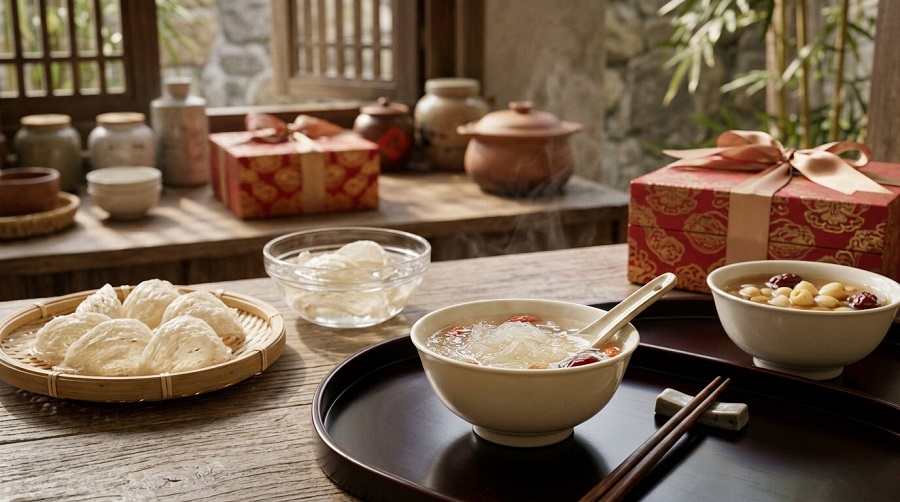
When you think about edible bird’s nest, you’re not just looking at an expensive soup ingredient. You’re stepping into a world of convalescent tonics, postpartum care, and status‑laden gifts at weddings and Lunar New Year. You’ll find it simmered into light broths, tucked into sweet tong sui, and prepared with ritual‑like care for elders. But what actually gives this delicate, almost tasteless ingredient such enduring cultural power?
How Bird’s Nest Became a Prized Culinary Tonic
Edible bird’s nest, formed from the hardened saliva of swiftlets, has held a quiet prestige in Chinese culinary and wellness traditions since at least the Ming dynasty, with roots that may reach even further back. Once reserved for imperial tables because of its rarity, it was valued less for indulgence than for its perceived role in sustaining balance, vitality, and long-term well-being. That sense of care still shapes how it is approached today, particularly in regions where sourcing, preparation, and authenticity are closely tied to local knowledge.
Because of its delicate structure and high value, working with trusted suppliers who understand the local harvesting and cleaning process makes a meaningful difference. In markets where quality can vary widely, familiarity with sourcing regions, seasonal conditions, and traditional grading methods helps ensure that what reaches the table is both safe and properly handled. When evaluating bird nest benefits, product quality and authenticity play a crucial role in shaping both the experience and its perceived effects. Ultimately, careful sourcing is what transforms a luxury ingredient into a truly reliable and rewarding wellness choice.
Preparation remains intentionally simple. The nests are soaked, cleaned with precision to remove impurities, and typically double-steamed into a light, mildly sweet soup. This method preserves its signature gelatinous texture and subtle taste, avoiding heavy seasonings that could overshadow its natural qualities. The restraint in cooking reflects a broader philosophy: that its value lies in gentle nourishment rather than intensity.
In Traditional Chinese Medicine, bird’s nest is regarded as a tonic believed to support lung function, replenish qi, and contribute to skin health. While modern nutritional analysis confirms the presence of glycoproteins, amino acids, and trace minerals, scientific evidence directly linking these components to specific clinical outcomes remains limited. Its enduring reputation as the “Caviar of the East” rests as much on cultural heritage, careful craftsmanship, and scarcity as it does on measurable nutritional impact.
Classic Savory Edible Bird’s Nest Soup
Classic savory bird’s nest soup (燕窩羹) highlights the texture and subtle flavor of edible bird’s nests, typically from the white-nest swiftlet. The cleaned nest is combined with a clear, lightly seasoned chicken or pork broth.
Preparation usually begins by soaking the dried nest until it softens, then carefully removing feathers and other impurities.
The cleaned nest is commonly double-steamed with stock, about 3–9 grams of nest for 20–60 minutes, until the mucinous strands separate and form a translucent, slightly gelatinous suspension in the broth. Seasoning is kept minimal, often limited to salt and ginger, to avoid masking the nest’s delicate characteristics. In some versions, a whole poached egg is added for additional protein and texture.
In Cantonese cuisine, this soup is served hot, frequently without elaborate garnishes, and is regarded as a gentle, easily digestible dish. It's traditionally offered as part of a formal meal, and is often reserved for elders, individuals recovering from illness, or guests of higher status.
The dish’s value is more closely associated with its rarity, labor-intensive preparation, and cultural significance than with strong or complex flavors.
Sweet Edible Bird’s Nest Desserts and Tong Sui
Beyond its use in savory soup, edible bird’s nest is also commonly prepared as a sweet tong sui (甜湯), where its translucent strands are suspended in a lightly sweetened, gelatinous dessert. The cleaned nests are typically dissolved and double-steamed with rock sugar until the strands become clear and softly springy.
In both home and restaurant settings, portions usually range from about 3 to 9 grams of dried nest per serving. Intact, cup-shaped nests are often reserved for formal occasions, while smaller fragments are used for everyday preparations or commercial bottled products. Common additions include red dates, goji berries, and Asian pear, which contribute mild sweetness and aroma without overpowering the nest’s subtle texture and flavor.
Many consumers regard bird’s nest tong sui as nourishing and beneficial for skin health, though scientific evidence for these specific health and “beautifying” claims is limited and still under investigation. The dessert’s value is therefore based on a combination of cultural tradition, perceived health benefits, and its distinctive mouthfeel.
Preparing Bird’s Nest for a Delicate Texture
Preparing a bird’s nest for a delicate, silky texture involves careful soaking, cleaning, and controlled heating.
Begin with dried white bird’s nest and soak it in cool, clean water for 4–8 hours, or overnight, until it softens and expands into translucent, gelatinous strands. The exact soaking time depends on the thickness and grade of the nest. Over-soaking can cause the strands to break apart and lose structure.
After soaking, remove any feathers and impurities with tweezers or by hand, then rinse briefly and drain. This step helps improve both appearance and texture without washing away too much of the nest’s soluble components.
For cooking, double‑steam the cleaned nest with rock sugar and a small amount of water. Some preparations also include mild, non‑oily ingredients such as dried longan.
Steaming over low heat for about 20–40 minutes is generally sufficient. longer cooking may cause the strands to disintegrate, while high heat or vigorous boiling can lead to a coarse or overly soft texture. Using minimal ingredients and avoiding fats or strong seasonings helps preserve the nest’s characteristic smooth, slightly chewy, gelatinous mouthfeel and keeps its subtle texture the focus of the dish.
Traditional Chinese Uses for Recovery and Lung Health
Once a smooth, gel-like texture is achieved, the same gently cooked bird’s nest is traditionally regarded in Chinese dietary therapy as a tonic for individuals recovering from illness, childbirth, or chronic respiratory conditions. In this context, it's commonly described as helping to “replenish qi,” support convalescence, ease persistent coughs, and nourish the lungs, according to traditional Chinese medicine (TCM) theory.
Preparation typically involves soaking cleaned nests in water for several hours to soften them, followed by double-steaming for about 30 minutes, often with ingredients such as rock sugar, Asian pear, red dates, or goji berries. In TCM practice, suggested amounts are often around 2–3 g per day for general maintenance and approximately 3–5 g per day during postpartum recovery or for additional support. These recommendations are based on traditional usage rather than standardized clinical guidelines, and modern scientific evidence for specific dosing and therapeutic effects remains limited.
Regional Styles: Chinese, Indonesian, and Thai Dishes
Edible bird’s nest appears under different names and in varied preparations across Asia, but Chinese, Indonesian, and Thai cuisines generally emphasize its soft, gelatinous texture rather than strong seasoning.
In Chinese cooking, yànwō is most commonly served in double-steamed sweet tong sui or in very lightly seasoned savory broths, and it may also be incorporated into congee or baked into egg tarts.
In Indonesia, sarang burung walet is used in comparable sweet soups and in tonic-style beverages that foreground the nest in a mildly flavored liquid.
Thai preparations include dessert soups and contemporary fusion dishes, with certain types such as red cave nests regarded as premium ingredients. In all three traditions, small portions of whole “cup” nests are typically presented in clear, delicate bases so that their appearance and texture remain the focus.
Modern Bird’s Nest Products, Safety, and Gifting Traditions
While traditional consumers often prefer whole, hand-cleaned “cup” nests for home preparation, edible bird’s nests are now commonly available in a broader range of processed products. These include bottled essences, ready‑to‑drink beverages, capsules containing powdered extract, and topical formulations such as creams or facial masks in skincare product lines.
Because birds’ nests are of animal origin, many countries, including Canada, restrict imports to specific categories of processed products, such as canned or otherwise commercially sterilized goods. Regulatory authorities also conduct health and safety checks, including screening for avian influenza and other contaminants.
Past safety issues, such as the use of artificial coloring to produce “red nests” and the detection of elevated nitrate or nitrite levels, have led to tighter controls throughout the supply chain. In response, industry and regulators have introduced measures like RFID-based traceability systems and routine laboratory testing for contaminants, authenticity, and quality.
These steps aim to increase transparency and reduce the risk of unsafe or fraudulent products entering the market, which is particularly important given the high cost of bird’s nest and its frequent use as a gift for occasions such as weddings, Lunar New Year, and for elders or postpartum mothers.
Conclusion
You’ve seen how edible bird’s nest evolved from a rare imperial delicacy to an everyday tonic in soups, tong sui, and modern drinks. When you prepare it gently, you highlight its silky texture and honor its traditional role in nourishing recovery and supporting lung health. Whether you enjoy classic Chinese, Indonesian, or Thai styles, you’re not just tasting a luxury ingredient. you’re participating in a long‑standing cultural ritual of care, celebration, and thoughtful gifting.